
视频简介
一九零四年,清朝政府筹建北京到张家口的京张铁路。英俄两国同时争夺修筑权,相持不下。清政府对两方均不敢得罪,只得决定自力修建。一九零五年聘詹天佑为总工程司(今称工程师),外国人嘲笑说:“能修建此路的中国工程司尚未出世。”詹天佑以他崇高的责任感和顽强毅力,以我国自己的力量,克服重重阻碍,终于在1909年修建成举世瞩目的真正意义上的我国第一条自力修建的铁路,揭开了中国铁路史上光辉的一页,大大鼓舞了我国人民的自信心。 随后,詹天佑除接受了修建四条铁路的邀请外,还怀着热望策划修筑从广州到汉口的粤汉铁路,以构成实现和京汉铁路连成一条的、贯通中国南北的大干线。然而,1911年,清政府发出一道把全国商办铁路收归国有的命令,逼迫詹天佑交出粤汉铁路,使詹天佑感到极度绝望。同年,辛亥革命爆发,清廷覆灭,1912年,中华民国成立,新任临时大总统孙中山先生提出“全国铁路网建设...。戴维斯和她的女友一起来到赌城拉斯维加斯淘金,她们当掉了身上的值钱物价到赌场赌,赌输了之后准备在赌城谋生,她们做了夜场的钢管舞女郎。偶然的机会戴维斯被赌城大老板雷看上,随后她不再跳舞成了他的情人,到处的跟他寻欢作乐。雷有个矿,专门用于为他开采白银,运送到外面卖钱。一次偶然机会戴维斯遇到了年轻的矿工,她和他有了私情。她常常私下约会矿工。雷后来失去了遗产,庄园也被卖掉,一天早晨被发现已经在家中死亡了。戴维斯拿到了雷留给他的财产,和矿工在一起。故事是一个三角恋的爱情,但是却也物欲世界的写照,最后雷的死亡也是一种解脱,他撞见了女友的奸情,同时也遭遇了财产的化为乌有,直到最后暴毙在家中。大家觉得是戴维斯害了雷,但对于雷始终解脱。。Eburi is a 36 year-old man. Nothing enthuses him any more. While being drunk, he promises to contribute a story to a magazine. When he sobers down, he decides to write about the life of a salaried employee like himself who is very ordinary, not particularly talented. The following is his story: In 1949, Eburi gets married to Natsuko. His monthly salary is 8,000 yen and hers 4,000 yen. Therefore, both have to work to support themselves. Eburi has developed a habituIl tendency to pester around when he gets drunk. One year after their marriage, son Shosuke is born. In 1959, Eburi's mother dies in despair of her husband who has become listless due to the several ups and downs of gaining big profits and going bankrupt. His father is still alive and Eburi is enable to find a way to pay his father's debts. He is doubtful if he can make his wife and child happy. Nevertheless, he has somehow managed to survive so far, living in one of the houses at the employee housing quarters. He gives the title "The Elegant Life of Mr. Everyman" to his story of half novel and half essay style. When it is published, it receives the Naoki Literary Prize (the award given in memory of popular writer Naoki Sanjugo). At a party to celebrate his award, he gets drunk and pesters around. Notes The film is based on a novel written in the style of an essay under the same title by Yamaguchi Hitomi, depicting everyday life of a man categorized as "During-the-war Generation" who spent school days during the war and get married to start new life in the struggling post-war era. "Everyman" in the title means an average salaried employee who makes up an overwhelming majority of the city population in Japan, and "The Elegant Life" indicates sarcasm on betterment of the standard of living of ordinary salaried employees accompanied with Japan's economic growth after only a decade from the destroyed post-war period. As depicted in the film, the author Yamaguchi Hitomi was awarded the Naoki Literature Prize for this story. When he established himself well enough to become independent, he quit working as a salaried employee. Director Okamoto Kihachi and the leading actor Kobayashi Keiju belong to the same generation as the author. Exploiting innovative effects such as inserting animation sequences, the film humorously presents compassion of a middle-aged salaried employee. Kobayashi Keiju, who was originally noted for his excellent portrayal of salaried employee, won the best leading actor award of the Mainichi Film Contest for his superb performance in this picture.。
标签
灿烂人生电影剧情详解相关推荐

流播

诱鲨

自由坠落
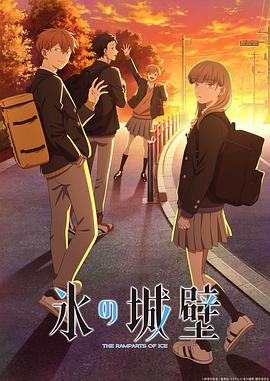
冰之城墙

摩尔秀 第一季

冬季暖阳

错付 2026

欺诈游戏动画版

胡乱的深见君真人版

别怕黑夜

不能笑的孤独粉丝见面会

11点热吵店

中 第三季

喜剧开场

胡乱的深见君真人版

最后一个住在这里的女人

第18朵玫瑰

TOKYO MER~移动的急救室~ 南海任务

欺诈游戏动漫

安东尼·波罗夫斯基的世界最佳之旅

重生六零:靠盲盒系统养六娃

下乡提亲,为老婆压上一切

现代灰姑娘
